





Can Double Glazing be Tinted?
Window tinting can easily be applied to existing windows. In fact, most standard residential windows can be tinted, including most windows with double glazing.
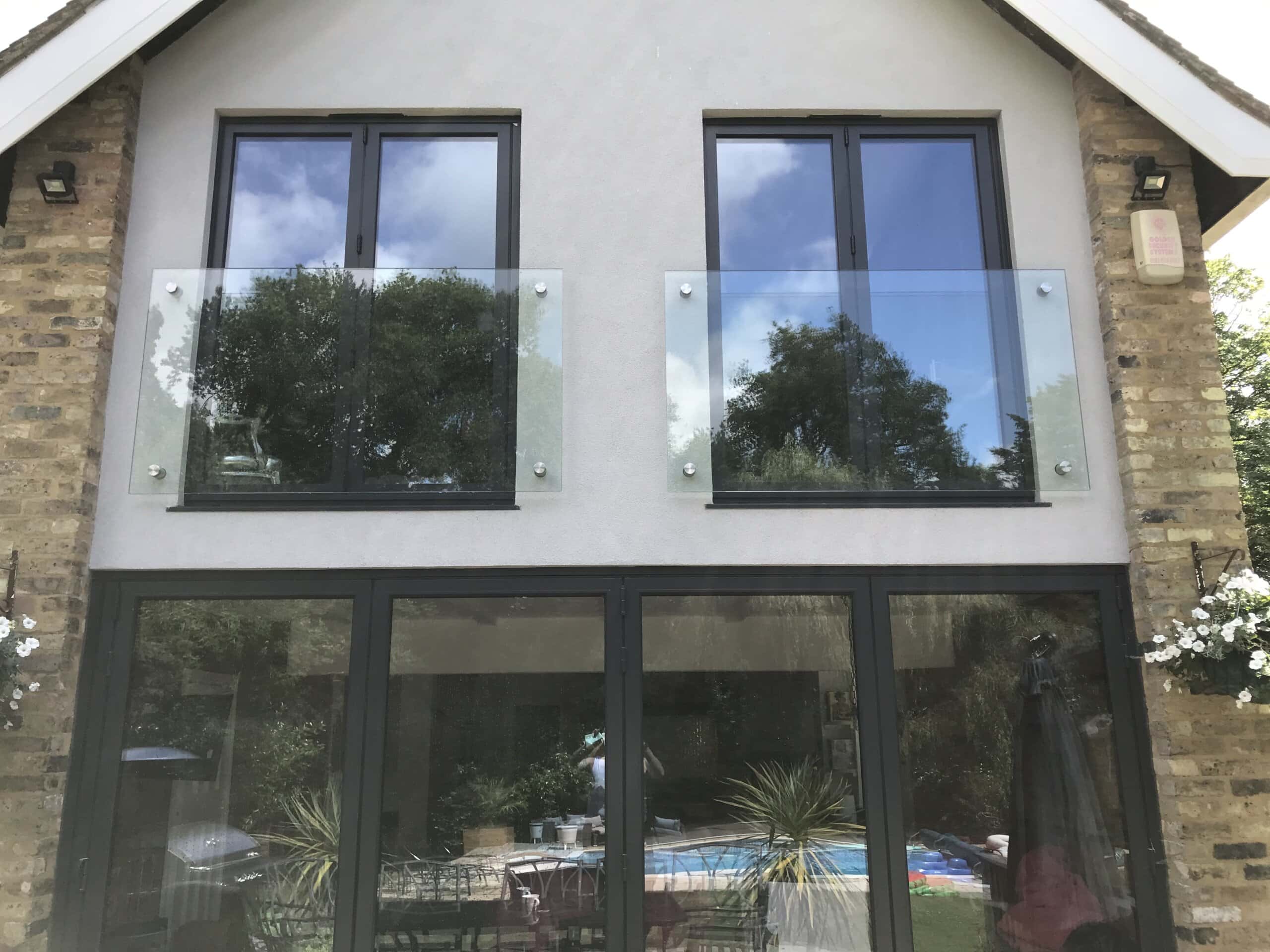
Although you probably associate it more commonly with cars, window tinting is becoming increasingly popular amongst property owners.
In fact – much like in cars! – window tinting in the home is a great way to improve privacy, while also increasing temperature control, and even protecting your furnishings from UV damage.
Below, we’ve shared our quick and handy guide to window tinting. This includes what window tinting involves, how it works, and the different types of window tinting available for you to choose from.
What is window tinting for homes?
Window tinting is a thin adhesive film, which is tinted grey. It is designed so that you can apply this film to your windows, preventing people from being able to see into your property, but without preventing you from still being able to see out.
Window tinting can easily be applied to existing windows. In fact, most standard residential windows can be tinted, including most windows with double glazing.
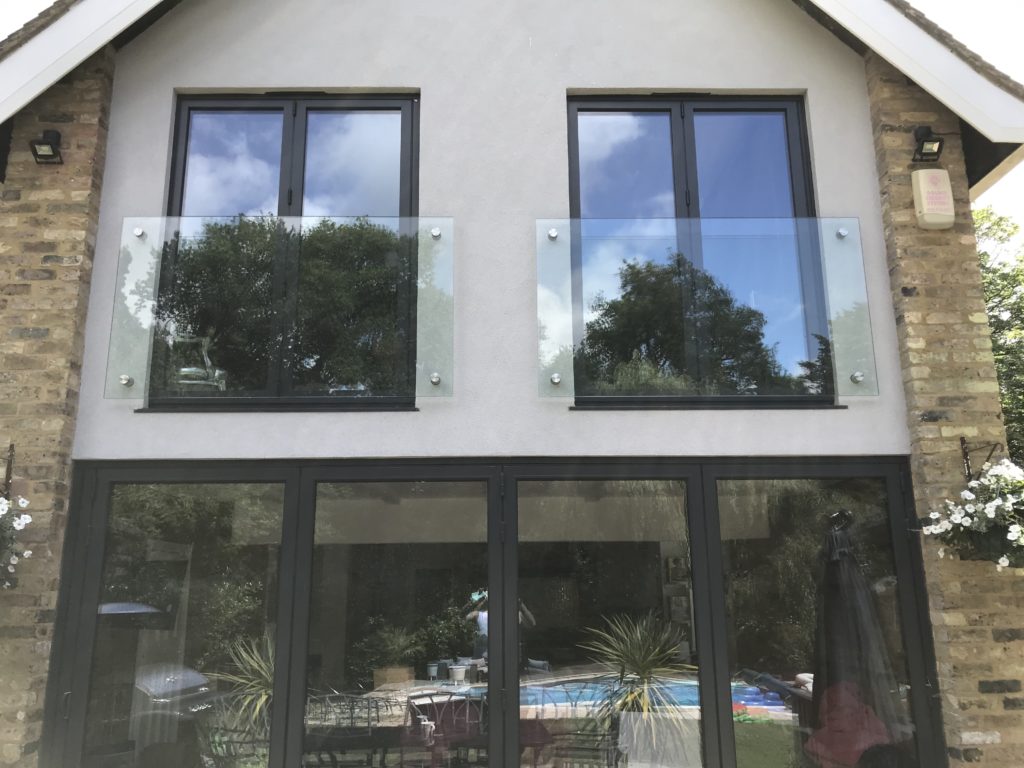
However, in some cases, applying window tinting to double-pane windows can cause thermal stress. So, if you do have a double-paned window, we recommend consulting your installer first, before you apply window tinting.
What’s more, window tinting is available in a range of different options and finishes (we’ll cover these in more detail below).
How can window tinting be applied to windows?
Window tinting is designed for quick and easy installation onto windows.
You can apply window tinting film to your windows by following these steps:
- 1. Clean your windows
- 2. Trim your tinting film, so that it fits the size of your window
- 3. Apply the adhesive side of your film to the window, and carefully place it on the glass
- 4. Remove any air bubbles or wrinkles from the film
- 5. Allow the film a few days to fully stick to the window, before resuming regular use
What is the difference between reflective tint and dark tint?
Reflective tint and dark tint are the two most common types of window tinting. Both of these can be installed on the majority of window types.
Although they both operate in largely the same way, each offers its own unique advantages.
The key differences between reflective tint and dark tint are:
Reflective tint:
Reflective tint has a mirrored surface, which is designed to reflect light. As a result, it is harder for passers-by to see into your property with reflective tint installed. This makes it a great choice for properties looking to improve privacy (e.g. if they are street-facing).
Reflective tint is also extremely effective at reflecting UV rays and heat away from the property (thanks to its reflective surface). So, it is a great investment for rooms that are exposed to a lot of sunlight.
Dark tint:
Dark tint does not have a reflective finish. Instead, it is made from a dyed film. As a result, it is less high performance than reflective tint (although it still has the same benefits of increased privacy, reduced UV rays, and increased heat control).
However, it does have a more subtle appearance than reflective film. So, for rooms where you don’t need such a high degree of privacy and heat control (e.g. rooms that aren’t street facing, and have lower sunlight exposure), they are a great choice.
Common FAQs
Does window tint block UV rays?
Yes. In fact, window tints can block up to 99.9% of UV radiation.
Does window tint work when you turn the lights on?
It is important to note that when you turn the lights on, window tints will no longer prevent passers-by from being able to see inside the property. So at night, you will still need to use blinds or curtains.
If you are looking to invest in high performance windows, which maximise the thermal efficiency of your home, Stevenage Glass’s expert glaziers are on hand to help.
Contact our team for all your glazing and glass needs – covering customers across Stevenage.