





Local Delivery Options Available

Quick Turnaround

Quality Bespoke Glass Products
What’s the best glass for traditional buildings?


Traditional and listed buildings are buildings that have been given a protected status, as they are deemed to be of national interest (due to their uniqueness, or historical or architectural significance).
As part of this status, traditional and listed buildings can only be altered if they have been given explicit permission.
In order to be granted this permission, repairs, maintenance work and alterations must align with the required guidelines.
The glass in traditional and listed buildings achieves a distinctive, historic style, making it a core part of the property’s aesthetic. But, due to their age, both the glass and the frames need to be carefully maintained.
Below, we’ve outlined the best ways to maintain and replace glass in traditional and listed buildings, while aligning with the requirements of listed status.

What types of glass are most commonly used in traditional buildings?
If you are looking for replacement glass (e.g. window glass to fix a broken pane) for a period property, then you can choose from a number of different glass types, each of which offer their own specific benefits.
However, your options for choosing replacement glass will be dependent on the nature of your property, and the conditions of its listed status.
The types of glass that are used in traditional buildings vary based on:
- The age and appearance of the building
- The specific grade of the listed building (the grades are Grade I, Grade Grade II* and II, and Grade I is the most stringent, with just 3% of the most outstanding listed buildings being given this grade).
- Listed building laws
- Local planning permission requirements
In England, around 500,000 buildings are listed. The glass that these buildings can use is under strict restrictions, because any replacement glass needs to retain the same traditional appearance, and not compromise the overall appearance of the property.
How can glass be replaced in traditional buildings?

In traditional buildings, although it may be beautiful, original glass is often flawed or broken in some parts, or has extremely poor insulation properties. So, these property owners often pursue replacement glass.
However, this glass must meet strict requirements, in order for permission to be granted.
The purpose of listing building consent isn’t to block any potential changes the property owner would like to make. Instead, the aim is to make sure any changes that do occur maintain the building’s original design, and preserve its unique aesthetic into the future.
With that in mind, the most common types of glass that are used in traditional buildings include:
- Architectural glazing – this is particularly common in glazed extensions or glazing additions to traditional buildings. Although it may be surprising that its modern appearance is deemed acceptable, many planning officials prefer to maintain a clear contrast between modern glass and the traditional building, as this prevents the lines between the two from blurring.
- Clear frameless glass – this is an ideal choice for buildings where any additional glass structures need to be kept as minimal as possible. Structural glass is unobtrusive, and can be engineered to ensure the original building is in no way compromised.
- Low-iron glass – this is a specialist glass, created using modern technologies. By reducing the iron content of the glass, the naturally-occuring green tint of glass is kept to the minimum. This is particularly beneficial in traditional buildings that require thicker panes of glass.
- Bespoke glass – working with a glazing specialist, you can ensure all necessary details are created with precision and care.
Then, in terms of the window frames and styles, the most popular choice of window frame material is timber.
Timber frames are most likely to align with the building’s traditional style, and therefore meet building regulations. However, if the original windows were made from these materials, you could also replace the frames with new steel or aluminium units.
Alternatively, uPVC windows are a great high-performance way to replace traditional timber windows, so these may be worth considering.
For the style of the window, you will likewise need to match the original. In listed properties, these most commonly include sash windows and casement windows.
How can glass be maintained in traditional buildings?
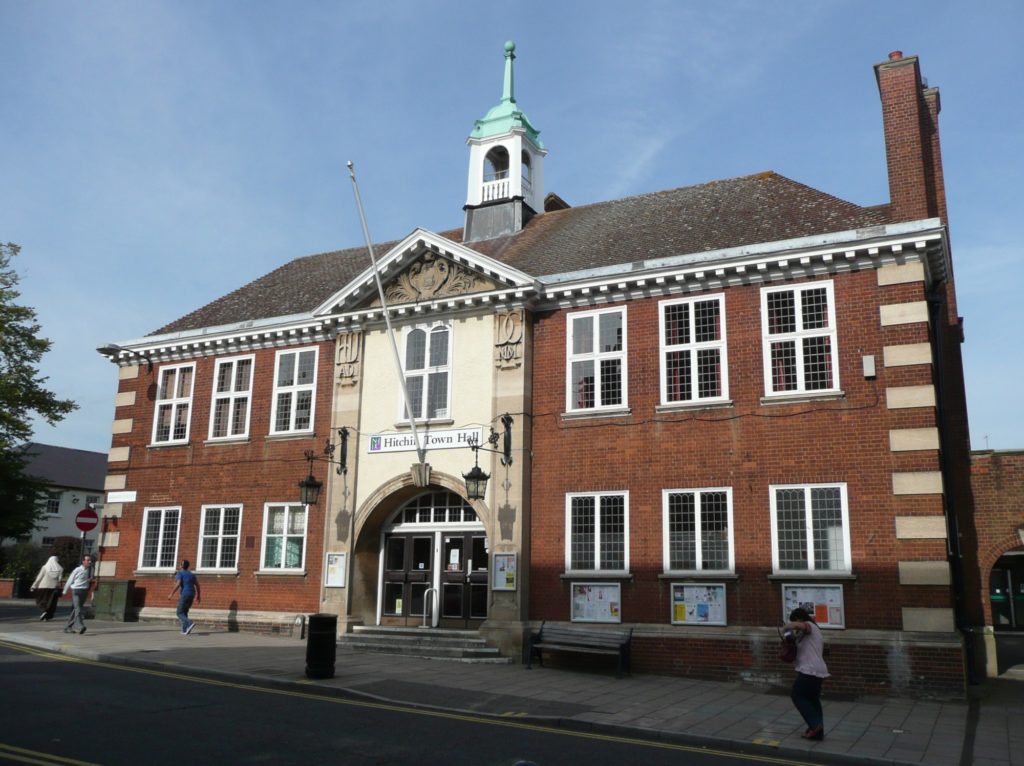
If you have a listed building, there are ways that you can safely preserve the glass.
Depending on your building’s listed grade and local regulations, investing in glazing maintenance is a great way to keep your glass looking at its best, for longer.
Common examples of glass maintenance for heritage buildings include:
- Adding double glazing systems (in many cases, this is now possible, thanks to the development of slim double glazing systems)
- Enlisting a specialist to increase the security or strength of your glass.
- Adding thermal / draught protection
- Adding UV / weather protection,
- Adding sealants to the window’s surrounding materials
- Regularly adding tints / stains to the window’s surrounding materials (in an appropriate colour)
By working with a trusted, experienced glass contractor, you can ensure that all regulations are met, and that the aesthetic of your building is carefully preserved. Plus, your alterations are much more likely to be approved, if they are being conducted by a specialist glazier.
At Stevenage Glass, we have extensive experience working with listed buildings, and we specialise in the manufacture of bespoke glass systems. To find out more, don’t hesitate to get in touch.